This is the first thing many people do not understand when they begin looking for a Panchakarma retreat in Europe or a Panchakarma Croatia program.
They imagine a fixed sequence.
A few days of oil. A few massages. Some steam. Maybe ghee. Maybe purgation. Maybe enemas. Then a feeling of lightness and a return home.
But serious Panchakarma cannot be built like that.
A client cannot simply arrive on the first day and say: "Good morning, I came for therapy." That is not how we work at Detox Croatia. Panchakarma begins before the first treatment. It begins with assessment.
Usually, there is an online or live consultation before arrival. We need to understand the person's digestion, sleep, strength, medication, emotional state, bowel rhythm, medical history, stress level, available time and real capacity. Only then can we decide what kind of program makes sense.
The question is not how much Panchakarma can be done.
The question is what this client can safely receive now.
What Panchakarma Actually Means
Panchakarma is often translated as Ayurvedic detox, but this translation is incomplete.
Panchakarma is a classical Ayurvedic system of preparation, cleansing and restoration. It is not one treatment. It is not only massage. It is not a spa sequence. It is a structured process that may include food preparation, internal and external oleation, warmth, selected cleansing procedures and rebuilding.
- Snehapana
- Internal oleation with ghee
- Abhyanga
- Warm Ayurvedic oil massage
- Swedana
- Herbal steam therapy
- Shirodhara
- Steady flow of warm oil over the forehead
- Virechana
- Therapeutic purgation
- Basti
- Medicated Ayurvedic enema, or therapeutic enema
- Nasya
- Nasal oil therapy
- Rasayana
- Ayurvedic rejuvenation and rebuilding therapy
- Agni
- Digestive fire, or digestive intelligence
- Ama
- Unprocessed residue from incomplete digestion
- Ojas
- Vital strength, immunity, stability and deep reserves
These words matter because they show that Panchakarma is not random.
The body is first prepared. The channels are softened. The digestion is observed. Oil is used internally or externally when appropriate. Heat is used to support movement. Cleansing is chosen only when the body is ready. After that, the person must be rebuilt.
If Agni is weak, the body cannot process what is given. If Ama is high, the system may feel heavy, foggy and reactive. If Ojas is low, strong cleansing may be too much.
This is why the same Panchakarma procedure can be useful for one person and wrong for another.
Why Panchakarma in Europe Cannot Be a Copy Paste Protocol
Panchakarma in Europe cannot simply copy the way things are done in India.
India remains the source culture of Ayurveda. The knowledge, the classical procedures and the logic of Panchakarma come from that tradition. But the way Panchakarma is applied in Europe has to respect the European client's reality.
Most European clients do not arrive with a month available, strong digestion, a slow lifestyle and time for long preparation. They often arrive from high pressure work, long screen exposure, poor sleep, business travel, family pressure, medication use, burnout, digestive symptoms and nervous system exhaustion.
Some are impatient because they are used to solving problems quickly. Some are afraid of cleansing. Some have fear around Basti, especially enemas, even though when done properly, Basti can be one of the simplest and gentlest therapies to receive. Some expect a spa. Some expect a medical clinic. Some expect a dramatic purge.
None of these expectations should lead the process.
Panchakarma is not intelligent because it is intense. It is intelligent when the timing, method and strength are right for the person in front of us.
"We always investigate what to do, how to do it, when to do it, and change accordingly."
That is the center of the work.
Why Many Europeans No Longer Need to Travel to India for Panchakarma
For a long time, many people believed that if they wanted real Panchakarma, they had to travel to India.
For some people, India is still the right place. It offers the source tradition, long established clinics and a cultural context where Ayurveda is part of daily life. That deserves respect.
But many European clients today are choosing not to travel that far. Not because India has lost its value, but because their body may not benefit from the strain of long flights, jet lag, heat, unfamiliar food, climate change, digestive stress and a very different environment when they are already exhausted.
For many people, especially those with burnout, weak digestion, poor sleep, anxiety, chronic fatigue or a sensitive nervous system, the travel itself can become another stressor.
This is where a serious Panchakarma program in Europe makes sense.
The quality of Panchakarma does not depend only on geography. It depends on knowledge, assessment, sequencing, experience, therapists, food, preparation, adaptation and daily observation. For clients from Germany, Austria, Switzerland, the Netherlands and the UK, a Panchakarma retreat in Croatia can offer serious Ayurvedic guidance without the extra stress of long distance travel.
At Detox Croatia, the difference is not that we imitate India. The difference is that we apply the same Ayurvedic principles in a way that makes sense for European clients. There is no long travel. The environment is familiar enough to settle into, but removed enough from daily life to allow change. The food is warm, clean, fresh and adapted. The therapies are individual. The group is small. The locations, Rab and Plitvice, offer nature, air, walking, silence and a quality of surroundings that many clients find easier to receive than a busy or overwhelming setting abroad.
The goal is not to make Panchakarma exotic.
The goal is to make it precise.
Why Assessment Comes Before Treatment
Assessment is not a formality. It is the beginning of the therapy.
Before the program begins, we look at the person's current state. During the program, we continue observing. The pulse does not need to be checked every day, but the person is watched carefully.
We observe the tongue, stool, appetite, sleep, energy, emotional tone, general appearance, reaction to food, response to oil therapies, level of fatigue and the way the person behaves in the group or in silence.
Sometimes the body speaks clearly.
The face softens. The abdomen releases. The appetite returns. Sleep deepens. The stool changes. The person becomes quieter. The mind stops pushing so much.
Sometimes the opposite happens. The person becomes strained, nauseous, too tired, emotionally reactive, cold, dry or overwhelmed. Then the program must change.
A fixed protocol cannot read these signs. A practitioner must.
This is why Panchakarma should not be reduced to a list of treatments. The order of treatments matters. The strength matters. The day matters. The person's response matters.
The program changes according to what the body shows.
What Can Realistically Happen in 7 Days
Seven days can be a strong reset.
Many clients arrive exhausted, with poor digestion, disturbed sleep, bloating, heavy abdomen, mental pressure and an overstimulated nervous system. After a few days of warm food, oil therapies, steam, rhythm, rest, walking and guidance, many notice that the head feels emptier, the body feels lighter, sleep improves and energy slowly begins to return.
They feel calmer.
More grounded.
Less internally compressed.
The stool may become more regular. Appetite may become clearer. The abdomen may feel softer. The face may look more rested. The nervous system may stop defending so aggressively.
But seven days should not be oversold.
In seven days, we cannot honestly promise that a long term chronic condition, severe arthritis, deep tissue depletion or a problem that has existed for many years will disappear. A serious program does not build trust by promising too much. It builds trust by knowing what can realistically happen, and what cannot be forced.
Seven days can begin the change.
It can give the body a new direction.
It can show the person what happens when food, rhythm, therapies, rest and guidance finally work together.
For people dealing with burnout where rest is no longer enough, seven days may be a meaningful beginning rather than a complete process.
What Requires 10 to 14 Days or Longer
For many people, the ideal duration is closer to ten, twelve or fourteen days.
This gives the process more space. More time for preparation. More time to observe Agni. More time for Snehapana if appropriate. More time for Basti. More time for Virechana when the person is ready. More time for the body to stabilise after cleansing. More time for Rasayana.
In practice, many clients feel a shift after seven days, but around day ten to day twelve something deeper often begins to settle. The process no longer feels like a temporary effect. It starts to sit in the body.
The sleep becomes steadier. The digestion becomes more reliable. The mind becomes less reactive. The person begins to trust the rhythm. They no longer feel that they are just visiting a retreat. They feel that the body has understood something.
The deeper the pattern, the less useful it is to rush.
This is especially true for exhausted people, burnout clients, people with poor digestion, Vata imbalance, long term stress and depleted tissues. A shorter program can be useful. A longer program allows the work to stabilise.
Snehapana, Virechana and Basti Are Not for Everyone, Not Every Time
Snehapana is not simply drinking ghee because a protocol says so.
It requires Agni. The body must be able to digest and absorb the ghee. If Agni is weak, we first need to prepare the person. The digestion must be strengthened so the fat can be processed, absorbed and carried into the tissues.
In the traditional Ayurvedic detox model, ghee is understood to bind fat soluble toxins, including heavy metals and environmental pollutants, and draw them from peripheral tissues toward the digestive tract. This is an Ayurvedic detox principle, not a medical chelation claim.
If the person cannot digest the ghee, the process becomes a burden. Snehapana may be used preventively once a year for suitable people. It may also be relevant for people with deeper or chronic problems when properly prepared and supervised. But it is never only a calendar decision.
Virechana also depends on readiness. It is not the same as taking a random laxative. It should not be forced when the person is too depleted, dry, weak, unstable, mentally strained or without enough reserve.
The right question is not: "Can we do Virechana?"
The right question is: "Is this person ready for Virechana now?"
Basti is often misunderstood because many people are afraid of enemas. But when done properly, Basti can be gentle, simple and deep. It is especially important when Vata is aggravated, the colon is dry or tense, the nervous system is overstimulated and the person is depleted.
In some people, Basti may be more appropriate than Virechana. In a seven day program, if three days are used for ghee intake and then the body needs a pause, there may not be enough time for a useful Basti cycle. This is one reason why longer stays often make more sense.
The body decides the sequence.
Why Some Clients Need Rebuilding Before Cleansing
Many modern clients do not first need more force.
They need support.
They need attention, warmth, food, sleep, oil, rhythm and a lighter therapeutic structure that helps the nervous system settle.
Sometimes I do not give a stronger detox because the person is already too depleted. The tissues are weak. The mind is strained. The person is anxious, cold, dry, exhausted, overstimulated or mentally overwhelmed. In that state, stronger cleansing can become another stressor.
For these clients, the first phase may include Abhyanga, Shirodhara, Swedana, warm food, teas, rest, daily rhythm and sometimes gentle Basti. The aim is not to push the body into elimination. The aim is to help the body stop defending itself.
Panchakarma focuses on preparation and cleansing when appropriate. Rasayana focuses on rebuilding: tissue nourishment, herbs, food, lifestyle and the long term restoration of strength, clarity and vitality.
A depleted body does not always need to be cleaned harder. Sometimes it needs to be nourished first.
For people where aggressive detox can be too much for an exhausted body, this distinction is the most important clinical decision of the program.
Food Is Part of the Therapy
There is a major difference between eating light food and eating food that is therapeutically prepared.
At Detox Croatia, food is not a side element of the retreat. Food is part of the therapy.
Meals are prepared in an Ayurvedic way, using spices, timing, cooking methods and ingredients that support digestibility. The food should be nourishing but easy to digest. It should support Agni, reduce Ama and help the body participate in the cleansing process without feeling deprived.
Many people arrive after trying strict diets, fasting, cold juices, raw food or supplement plans. Some have lost trust in food. Some think detox must mean restriction. Ayurveda looks at it differently.
Warm, simple, well cooked food can sometimes do more than another supplement. When the digestion receives the right kind of food at the right time, the whole system begins to reorganise.
For people with stress and digestion problems, food is often where recovery begins.
During Panchakarma, food is not only nutrition. It is instruction to the body.
The Post Detox Phase Is Where Results Are Protected
The end of the program is not the end of the work.
If a person returns home and immediately goes back to alcohol, too much coffee, cold food, late dinners, poor sleep, excessive work and stress, the effect can fade quickly. The body may have received a new direction, but the old habits can pull it back.
If the person keeps even a few simple habits, the effect of Panchakarma may continue to unfold for months.
This is why education is part of the retreat. The goal is not to create dependence on the retreat. The goal is to give the person enough understanding to support themselves at home. Clients receive guidance for food, rhythm and lifestyle after returning home. They learn how to recognise what supports them and what quickly disturbs them.
This is often when the deeper result becomes visible. Not only during the retreat, but when the person returns to their normal environment and notices that they react differently, sleep differently, digest differently and carry pressure differently.
Why Small Group Panchakarma Matters
Small group is not luxury decoration.
It is part of the therapeutic structure.
Detox Croatia works with small groups, usually 4 to 8 clients, because this allows real attention. In a large resort setting, the individual pattern can easily disappear behind the schedule.
That is not how Panchakarma should work.
In a small group, the practitioner can observe. Therapists can work with more presence. Food can be adjusted. Silence can be respected. Conversation can happen when it is useful. Privacy can be protected.
Some clients want community.
Some need privacy.
Some want to be alone inside the group.
Some want to walk, talk and connect with others.
All of this can be correct. The decision is individual and happens on location.
The presence of the practitioner and therapist also matters. When the therapist is calm and the practitioner is grounded, the client's nervous system often responds. Many clients arrive with mental ideas about what should happen and whether they know better than the process. When they feel safe and guided, they can stop controlling and begin to surrender into the rhythm.
That surrender is not passivity.
It is often the first real rest.
Why Rab and Plitvice Support the Process
The location is not only scenery.
Rab has a long local history as a place associated with respiratory recovery, with air quality distinct from most European urban environments. The combination of sea air, Mediterranean plants, walking, swimming, silence and a slower island rhythm creates an environment the body responds to from the first day of arrival. This does not mean that Rab cures respiratory disease. It means the environment supports the direction of the program: less pressure, more breathing, more rhythm, more direct contact with the body.
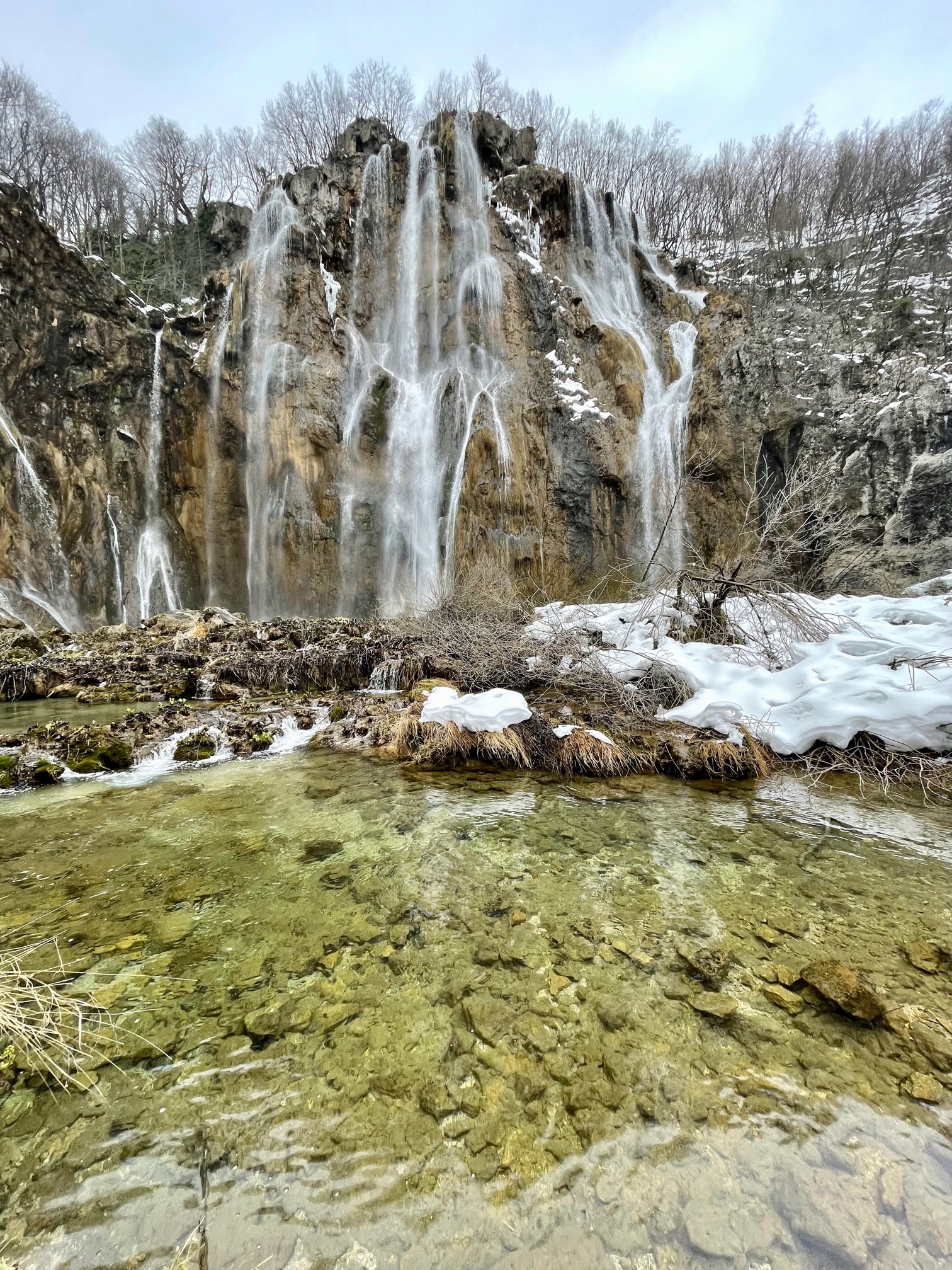
Plitvice is different. Plitvice Lakes National Park is a UNESCO protected natural environment, with forest, waterfalls, water, walking paths, silence and air that feels very different from urban life. Walking in that environment has a real effect on the body, independent of any treatment, because the system receives less urban stimulation and more direct contact with natural rhythm.
In traditional Ayurvedic language, this quality can be described as prana, the vital life force carried through breath, air and natural environments. In simpler terms, people often feel different after walking near forest, water and waterfalls because the body receives less noise, less pressure and more natural sensory input.
The therapies matter.
The setting also matters.
A body that has lived for years under artificial light, noise, screens and deadlines often responds quickly when the environment stops attacking the senses.
Why Detox Croatia Is Different From a Standard Panchakarma Retreat
I did not always think I would work with retreat programs.
In the beginning, I resisted the idea. I associated retreats with massage, spa language and superficial wellness. I thought I would focus only on diagnosis, herbs and consultations.
But after seeing what can happen in seven to ten days when the process is properly guided, my view changed completely.
I saw sleep change. Digestion change. Energy return. The nervous system soften. The face become calmer. The abdomen release. The mind become clearer. People who arrived exhausted began to feel that the body was no longer fighting them.
That is when I began working more seriously with Panchakarma and retreat programs.
Detox Croatia is not a medical clinic and it is not a spa. It is a professionally guided Ayurvedic program with serious assessment, daily observation and a human approach.
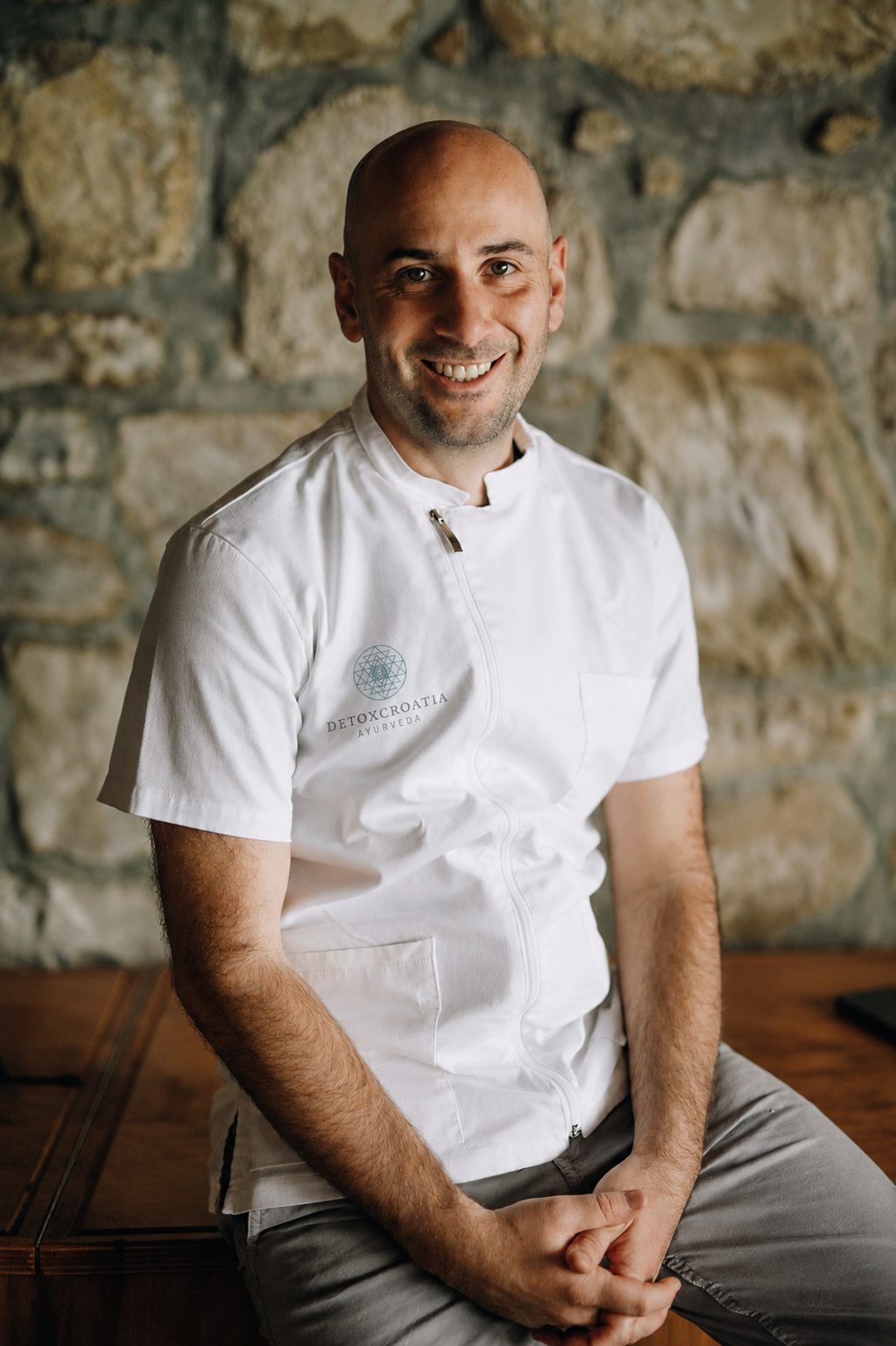
Branko Marković, founder of Detox Croatia, is an Ayurvedic practitioner specialised in Panchakarma and Rasayana therapy, with more than 15 years of experience in individual consultations and guided retreat programs.
The program is built around a simple principle:
"We always investigate what to do, how to do it, when to do it, and change accordingly."
That is why the group is small.
That is why assessment comes first.
That is why seven days and fourteen days are not sold as the same thing.
That is why strong cleansing is not done when the body first needs rebuilding.
And that is why the first step is not booking.
The first step is understanding what your body can safely receive now. You can find the full details of the 7 and 14 day Ayurvedic retreat program in Croatia on the program page.
Who Needs Medical Clearance Before Panchakarma
Panchakarma is not appropriate for everyone in the same intensity. Medical clearance is needed in the following cases:
- Pregnancy
- Breastfeeding
- Active cancer treatment
- Severe physical weakness
- Eating disorders
- Severe psychiatric instability
- Complex medication use
- Acute illness
- Unexplained weight loss
- Blood in stool
- Severe abdominal pain
- Heart disease
- Severe kidney or liver disease
- Recent surgery
- Severe anemia
- Ongoing diarrhoea or vomiting
This also applies when symptoms are new, severe, rapidly worsening or unexplained.
Detox Croatia is not a medical clinic and Panchakarma is not a replacement for medical diagnosis or treatment. When a person has a serious illness, takes medication or is in active oncology treatment, the approach must be cautious. In some cases, it may be necessary to consult with medical doctors and decide together what kind of support is appropriate.
The goal in those cases may be rhythm, food, rest, selected gentle therapies and support through a difficult period. Not to replace necessary medical care. This is not weakness in the program. It is part of serious work.
Frequently Asked Questions
What is Panchakarma in simple terms?
Panchakarma is a classical Ayurvedic system of preparation, cleansing and restoration. It may include food preparation, internal and external oleation, steam, selected cleansing procedures and rebuilding through Rasayana. It is not just massage, sauna or a general detox retreat.
Can Panchakarma be done properly in Europe?
Yes, but it must be adapted. Panchakarma in Europe should consider the client's available time, travel fatigue, stress level, digestion, medical history, medication use, nervous system state and real capacity. It should not be a copy paste protocol.
Why do some people choose Panchakarma in Europe instead of India?
Some people still choose India, and that can be right for them. But many European clients now prefer Panchakarma closer to home because it avoids long travel, jet lag, climate stress and major dietary disruption. When the Ayurvedic knowledge, therapists, assessment and sequencing are strong, Panchakarma can be applied seriously in Europe while being better adapted to the client's real life and nervous system.
Why choose Panchakarma Croatia instead of travelling to India?
Some clients still choose India, and that can be right for them. But many European clients prefer Panchakarma Croatia because it avoids long travel, jet lag, climate stress and major dietary disruption. When the Ayurvedic knowledge, therapists, assessment and sequencing are strong, Panchakarma can be applied seriously in Europe while being better adapted to the client's real life, digestion and nervous system.
Is 7 days enough for Panchakarma?
Seven days can be enough for a meaningful reset. Many clients notice changes in sleep, digestion, bloating, calmness, energy and mental clarity. But seven days should not be presented as full deep Panchakarma for everyone. Deeper work often needs more time.
When is 14 days better?
Fourteen days are better when the person needs deeper preparation, Snehapana, Virechana when appropriate, a useful Basti cycle, stabilisation after cleansing and more Rasayana rebuilding. The deeper the pattern, the less useful it is to rush.
Is Panchakarma the same as a detox retreat?
Not necessarily. Many detox retreats focus on restriction, juices, fasting, sauna or general cleansing. Panchakarma is a structured Ayurvedic process based on assessment, preparation, oil, warmth, selected cleansing and recovery. It should be adapted to the person, not forced through a fixed schedule.
What is the difference between Panchakarma and Rasayana?
Panchakarma focuses on preparation and cleansing when appropriate. Rasayana focuses on rebuilding strength, tissues, vitality, clarity and long term resilience through food, herbs, rest, rhythm and rejuvenation practices. Many modern clients need both.
Is Panchakarma suitable for burnout?
Panchakarma may support people with burnout when it is gentle, properly assessed and not too aggressive. Many exhausted people first need warm food, oil therapies, rhythm, rest, nervous system settling and Rasayana rather than strong cleansing. If burnout is severe or connected with depression, panic or medical symptoms, medical evaluation should come first.
Who should avoid Panchakarma without medical clearance?
People who are pregnant, breastfeeding, in active cancer treatment, severely weak, medically unstable, on complex medication, recently post surgery, severely anemic, acutely ill, or experiencing severe abdominal pain, blood in stool, unexplained weight loss, ongoing vomiting or diarrhoea. Detox Croatia is not a medical clinic and Panchakarma is not a replacement for medical diagnosis or treatment.